

Traveling across Europe as a student sounds expensive, but in reality, it can be extremely affordable if you know the right strategies.
Many students believe that moving between cities like Berlin, Paris, Milan, or Budapest costs €50–€100. However, smart students are regularly traveling for under €20 by using budget-friendly options and simple planning techniques.
The biggest mistake students make is not understanding how the system works.
With the right approach, you can travel more, explore more, and still stay within your budget.
Many students also struggle with planning routes and comparing travel options. Simple planning tools and budget apps can help save both time and money.
In this guide, you will learn practical and proven ways to travel between European cities for under €20 in 2026.
⚡ Why Cheap Travel Matters for Students
Traveling is one of the best parts of studying in Europe.
But if you don’t control your travel costs, your monthly budget can quickly go out of control.
👉 For example:
- One trip per week = €80–€150
- Monthly travel cost = €300+
👉 This is why smart planning is important.
If you want to manage your overall expenses better, read: Monthly Expenses for International Students in Europe (2026 Complete Budget Guide)
🚌 1. Use Budget Buses (Cheapest Option)
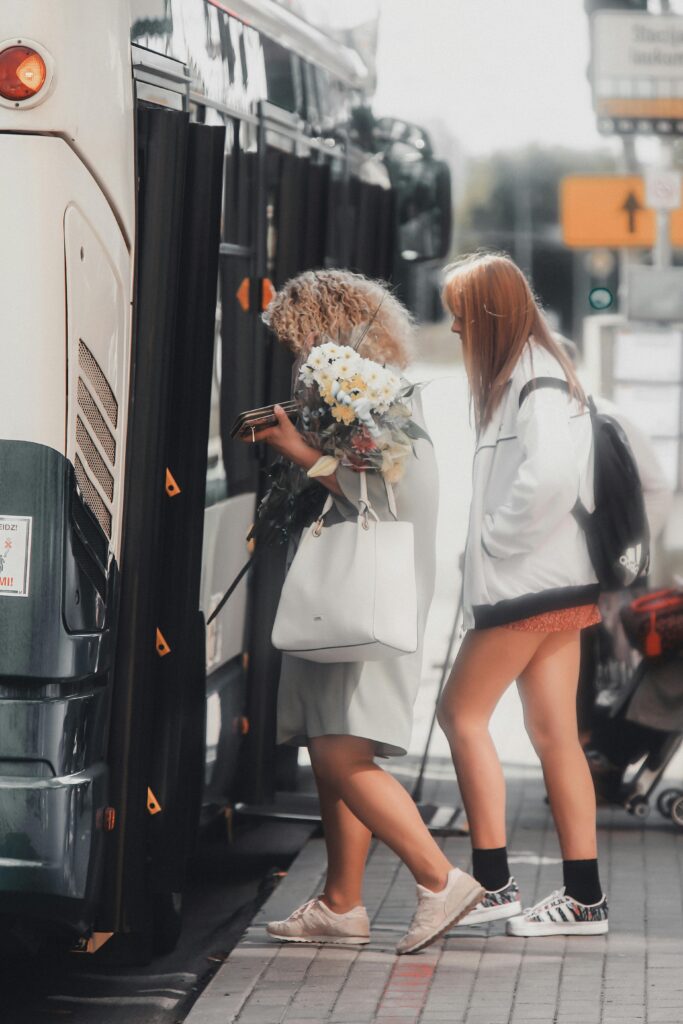
Budget buses are the easiest way to travel under €20.
Companies like FlixBus offer extremely cheap tickets between major cities.
👉 Average Ticket Price: €5 – €15
✔️ Cheap
✔️ Reliable
✔️ Available in almost every country
Most students who already save money on daily expenses also rely heavily on buses for travel.
👉 Pro Tips:
- Book 3–5 days early
- Travel mid-week
- Avoid weekends
🚗 2. Ride Sharing (Hidden Cheap Method)
Ride-sharing is one of the most underrated travel methods.
Platforms like BlaBlaCar connect you with drivers going to the same destination.
👉 Average Cost: €10 – €20
✔️ Faster than buses
✔️ Flexible timing
✔️ Comfortable
Students who do part-time jobs and need quick travel often prefer this method.
👉 If you are working while studying, read: Best Part-Time Jobs in Europe for Students (High Paying Options in 2026)
🚆 3. Cheap Train Travel (Smart Booking)
Trains are not always expensive — it depends on how you book.
👉 You can save money by:
- Booking early
- Using regional trains
- Avoiding high-speed trains
👉 Average Cost: €15 – €25 (sometimes under €20)
In countries like Germany, regional tickets allow you to travel cheaply across cities.
📱 4. Always Compare Prices Before Booking
One of the biggest mistakes students make is booking without comparing.
You should always check:
- Bus prices
- Train tickets
- Ride-sharing options
👉 Smart students plan before booking.
Planning your travel in advance and comparing different transport options can help you avoid unnecessary expenses.
⏰ 5. Travel at the Right Time
Timing is one of the biggest factors in ticket prices.
👉 Cheapest times:
- Early morning
- Late night
- Mid-week
👉 Expensive times:
- Friday evening
- Sunday
- Holidays
Even changing your timing can reduce your cost by 50%.
🎓 6. Use Student Discounts
Many students ignore discounts and pay full price.
👉 You can save money using:
- Student ID
- ISIC card
- Local transport offers
👉 Always check before booking.
🔄 7. Combine Routes for Maximum Savings
Direct travel is not always the cheapest option.
👉 Example:
- Bus to nearby city = €8
- Train to destination = €10
👉 Total = €18
Instead of €40 direct ticket.
Students who manage their budget smartly often use this method.
👉 If you want to improve your saving habits, read: How to Save Money as an International Student in Europe (2026 Ultimate Guide)
🎒 8. Avoid Extra Costs While Traveling
Hidden costs can destroy your budget.
👉 Avoid:
- Extra luggage fees
- Seat selection
- Last-minute booking
👉 Travel light = save more
🧠 9. Plan Smartly (Most Important Step)

Most students lose money because they don’t plan properly.
They:
- Book late
- Don’t compare options
- Travel at expensive times
👉 Smart planning changes everything.
Careful planning and comparing transport options in advance can help students save a significant amount of money while traveling in Europe.
🌍 10. Learn from Other Students
The best tips come from real student experiences.
Before traveling:
- Check forums
- Ask friends
- Read guides
Students who learn from others always save more money.
💡 Extra Travel Tips for 2026
✔️ Always carry student ID
✔️ Book early whenever possible
✔️ Be flexible with dates
✔️ Avoid peak seasons
👉 Small changes = big savings
🎯 Final Thoughts
Traveling between European cities for under €20 is completely possible.
The difference between students who travel a lot and those who don’t is not money — it’s knowledge.
If you use budget buses, ride-sharing, smart timing, and proper planning, you can explore Europe without overspending.
👉 You don’t need a big budget.
👉 You just need smart strategies.
Start using these tips today and make your student life more affordable and exciting.
This guide will help students find cheap travel options in Europe and reduce transport costs significantly.
Students can also use planning tools and travel apps to compare routes, manage budgets, and organize trips more efficiently