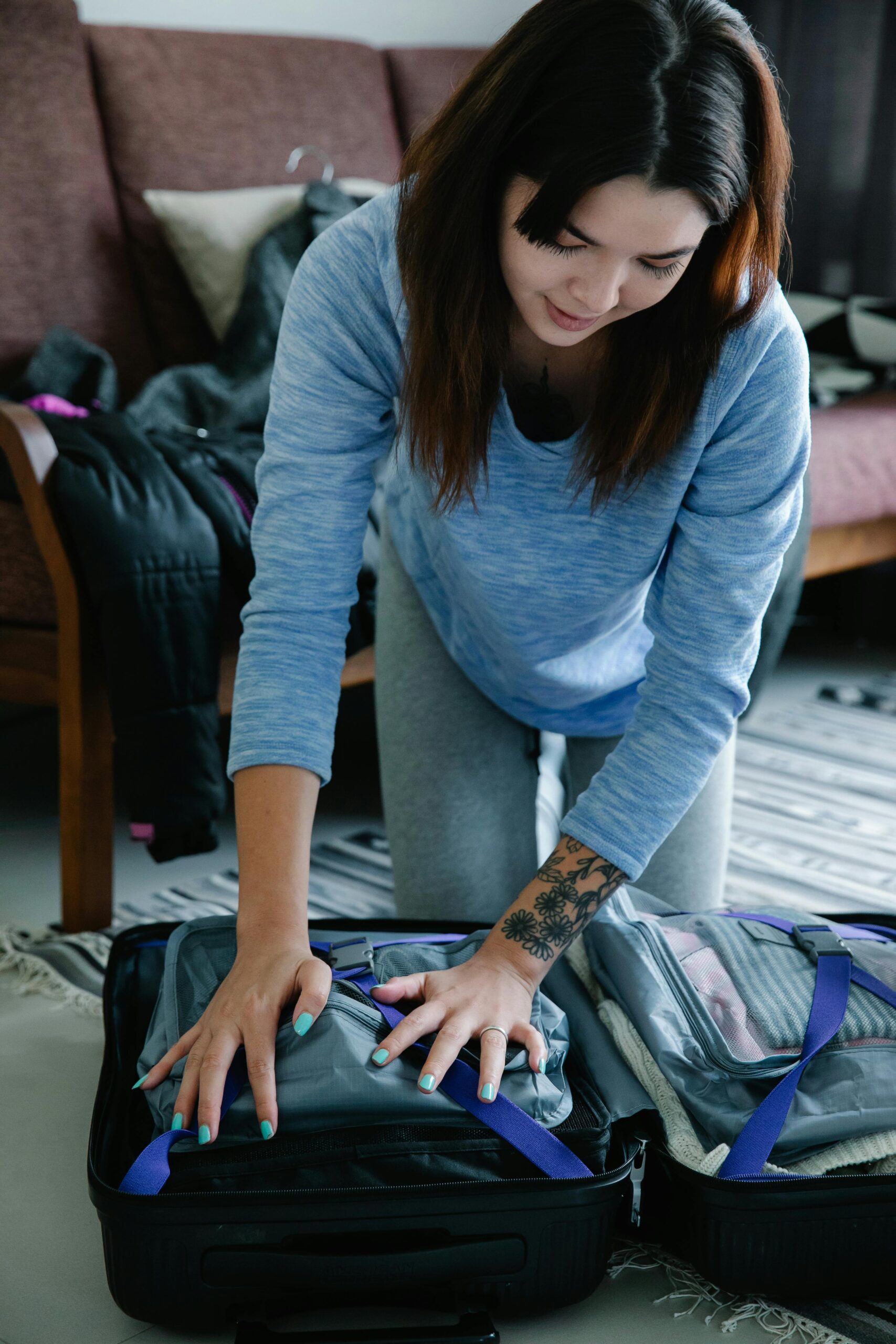
Moving to Europe for studies is an exciting experience, but packing for a new life abroad can be confusing for many international students. Many students either bring too many unnecessary items or forget important essentials that are difficult to arrange immediately after arrival.
Preparing a smart packing list before traveling can save you time, money, and stress. Whether you are moving to Germany, Italy, or France, planning your luggage properly will make your transition much smoother.
This guide explains the ultimate packing list for international students moving to Europe, including essential items, documents, and travel tips for 2026.
👉 Create Your Smart Packing List with AI
Use our AI Student Writing Assistant to create a personalized packing checklist based on your needs before moving to Europe.
Important Documents You Must Carry
Documents are the most important items when traveling abroad for studies. Without them, you may face serious problems during immigration checks, university registration, or city registration.
Students moving to Germany or other European countries should always keep the following documents in their hand luggage:
• Passport and student visa
• University admission letter
• Academic degrees and transcripts
• Proof of accommodation
• Health insurance documents
• Passport-sized photographs
It is also recommended to carry multiple photocopies of each document. In many cases, universities or local authorities require copies for administrative procedures.
Medical Kit and Prescriptions
Healthcare systems in Europe can be very different from those in many Asian countries. It may take some time to register with local doctors or pharmacies.
Because of this, students should bring a small medical kit that includes basic medicines such as:
• Fever and pain relief tablets
• Cold and flu medicine
• Stomach or digestion medicine
• Allergy medication
If you take prescription medicine, bring a doctor’s prescription in English so that pharmacists or doctors in Europe can easily understand your treatment.
Having a three-month supply of important medication can be very helpful during your first weeks abroad.
Clothing for European Weather
Weather in Europe can change significantly depending on the country and season. Winters can be particularly cold for students arriving from warmer climates.
Instead of packing too many clothes, it is smarter to bring:
• One good quality winter jacket
• A few sweaters or hoodies
• Comfortable jeans or trousers
• Basic shirts and casual wear
Many international students prefer buying additional winter clothes after arriving in Europe. Popular clothing stores such as Primark and H&M offer affordable winter clothing options in most European cities.
Buying locally also ensures that your clothes match the climate conditions.
Essential Electronics to Bring
Electronics are another important part of your travel preparation. Some devices can be expensive in Europe, so it is better to bring them with you.
Important electronics include:
• Laptop for university work
• Smartphone
• Headphones or earbuds
• Portable power bank
Students should also carry a universal travel adapter because electrical sockets in Europe are different from those in many other countries.
Without an adapter, you may not be able to charge your devices after arriving.
Food and Spices from Home
Many international students miss the taste of food from their home countries. You can also save money on groceries by following smart budgeting tips.
👉 Also read: How to Save €300 Every Month as a Student in Europe (2026 Complete Guide)
Students often bring items like:
• Small packs of spice mixes
• Tea from their home country
• Instant noodles or snacks
However, avoid carrying heavy food items such as flour or rice. These are widely available in Asian supermarkets across European cities.
In fact, many cities in Europe now have stores that specialize in South Asian groceries.
Kitchen Essentials
Most student accommodations in Europe provide basic kitchen equipment, but sometimes these items are limited.
You may want to bring small items such as:
• A basic cooking spoon
• Small spice containers
• A reusable water bottle
• Lunch boxes for university
These small items can make everyday life much easier.
Personal Care and Daily Essentials
When packing for Europe, remember to bring a few personal care items you are familiar with.
Examples include:
• Toothbrush and toothpaste
• Shampoo and basic skincare products
• Nail cutter and grooming kit
• Towel and small toiletries
Although these items are available in Europe, bringing them initially can help you settle in comfortably.
Important Travel Accessories
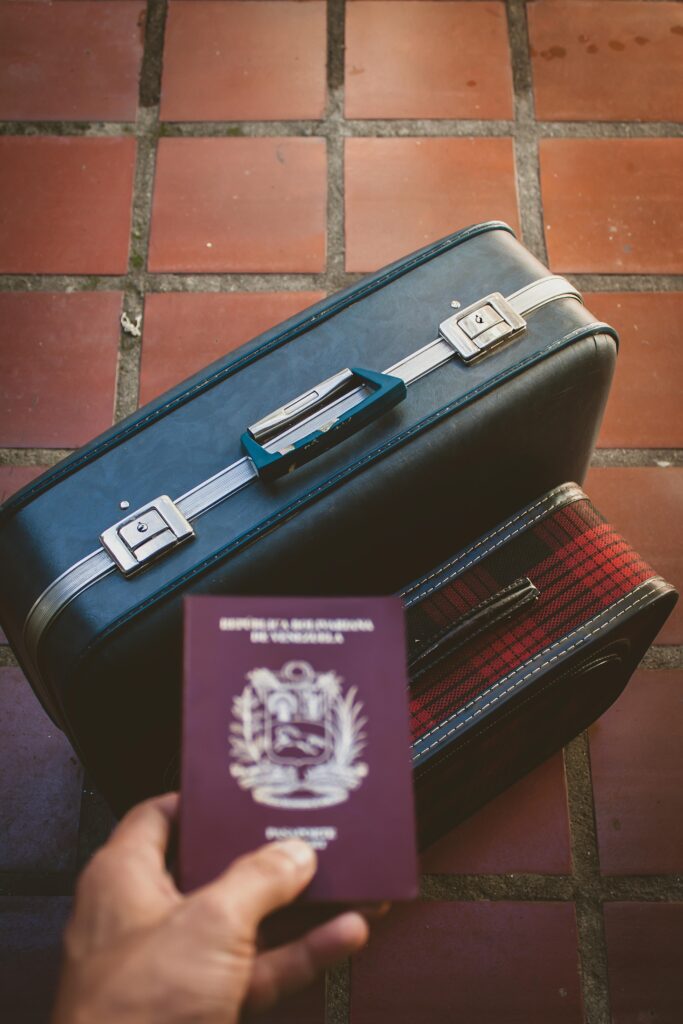
Some travel accessories can make your journey and first weeks abroad much easier.
Useful items include:
• A strong backpack for university
• Luggage locks
• Travel document organizer
• Reusable shopping bags
These simple accessories can help keep your belongings organized and secure during travel.
Items You Should NOT Bring
Many students make the mistake of bringing too many unnecessary items from home.
Avoid packing:
• Large kitchen appliances
• Heavy food items
• Too many clothes
• Furniture or home decorations
Most of these things can be purchased easily after you arrive in Europe.
Traveling light will make your journey easier and reduce baggage costs.
Planning Your Travel and Accommodation
Packing is only one part of preparing for your new life in Europe. Students should also plan their flights and accommodation in advance.
You can read these helpful guides:
👉 How to Find Cheap Flights to Europe for Students
👉 How to Find a Student Room in Germany & Italy
These guides explain how students can save money on travel and find affordable housing after arriving.
👉 Plan Your Move to Europe Easily
Use our AI Student Writing Assistant to organize your packing, documents, and travel checklist without missing anything important.